



Reimagining a Classic
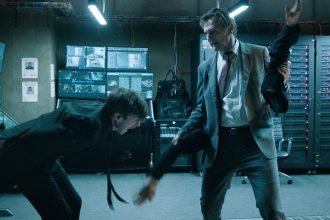
Writer-director Akiva Schaffer originally hesitated to take on the reboot of The Naked Gun, viewing it as a potential blasphemy. However, he soon recognized the unique opportunity to cast Liam Neeson in the role previously played by Leslie Nielsen.
In 2021, producer Seth MacFarlane was charged with reviving the much-loved comedy franchise that hadn’t seen a successful iteration in 30 years. He immediately sought to bring in Neeson, with whom he had previously collaborated on A Million Ways to Die in the West and Ted 2.
Erica Huggins, president of MacFarlane’s Fuzzy Door Productions, pursued Schaffer for the director role. Schaffer had recently gained acclaim for Chip ‘n Dale: Rescue Rangers (2022) and was a fan of his earlier work, including the cult classic Popstar: Never Stop Never Stopping and his comedy trio The Lonely Island with Andy Samberg and Jorma Taccone.
A New Vision
Despite his excitement, Schaffer was adamant about a complete rewrite of an existing script authored by some Family Guy writers, which MacFarlane himself described as a “cover band version” of the original Naked Gun. Schaffer enlisted his former collaborators, Dan Gregor and Doug Mand, hoping to create a fresh narrative that didn’t simply recycle beloved moments from the original trilogy. A compromise allowed for a nostalgic nod to the iconic opening theme, placing it in the closing credits instead.
“I love the siren opening in the first three Naked Gun movies just like everyone else loves it, but that doesn’t mean I need to see it again. I did get a lot of pushback on that, I’ll be honest,” Schaffer shared in an interview with The Hollywood Reporter. He felt it was essential for the opening to resonate with modern audiences while parodying contemporary inspirations since any cultural references from after 1990 were fair game.
Addressing O.J. Simpson
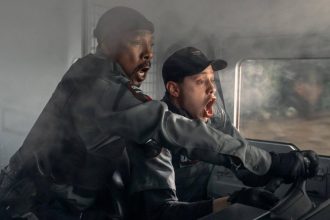
As Schaffer began writing, the inevitable question arose regarding how to incorporate O.J. Simpson’s character, Nordberg. A pivotal scene, dubbed “Hall of Legends,” was crafted early on, showcasing Neeson’s Frank Drebin Jr. and Paul Walter Hauser’s Ed Hocken Jr. paying homage to framed photos of their late cop fathers, including Simpson’s character. In a humorous twist, Moses Jones’ Nordberg Jr. acknowledges Simpson’s portrait with a dismissive shake of the head, swiftly breaking the fourth wall.
The comedic moment quickly became a talking point online, evoking strong reactions during screenings. However, Schaffer decided to refrain from further O.J. jokes due to the ongoing controversy surrounding Simpson’s legacy. “To be honest, we never wrote another O.J. joke. We just went, ‘Yep, that takes care of that,’” Schaffer remarked. He acknowledged the unexpected impact of the joke during test screenings but aimed to handle the topic respectfully.
The Path to Production
After 16 years of development challenges for a new Naked Gun, Schaffer joined the project in fall 2022. He acknowledged that although Liam Neeson had been attached for a while, it was his involvement that ignited his own interest in the project. Initially skeptical, Schaffer realized the potential for a new interpretation when he considered how Neeson could bring a unique flavor to the character.
Upon reviewing the previous script, Schaffer felt compelled to scrap it entirely, wanting to develop something that aligned with his vision. He emphasized the importance of collaboration and enlisted Gregor and Mand to work alongside him, dedicating themselves to developing the film as if they were already in production.
Finding the Right Cast
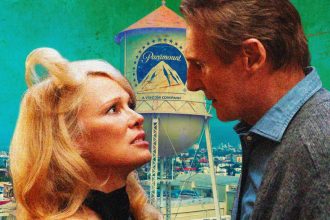
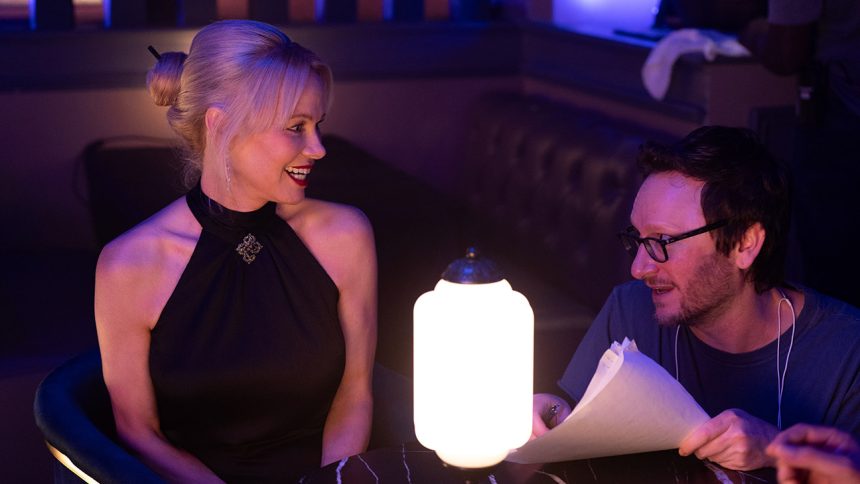
Casting the character of Beth Davenport, represented by the femme fatale trope in the film, proved challenging. Schaffer noted that comedy, especially in a spoof, requires a unique talent. “Spoof is not an easy skill,” he stated, recognizing the difficulty in portraying humor without overtly telegraphing it.
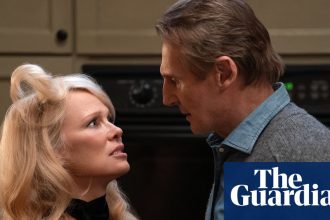
Ultimately, Pamela Anderson emerged as the perfect fit for the role. “She can say the UCLA joke with a little twinkle in her eye, and you really believe the character is playing at the height of her intelligence,” Schaffer explained. Despite previous rumors surrounding her declining a role in Naked Gun 33 1/3: The Final Insult (1994), he confirmed that her interest in the project added a delightful authenticity.
Comedy’s Precarious Landscape
With the current state of theatrical comedies under scrutiny, Schaffer acknowledged the significance of The Naked Gun’s release this summer. He expressed hope that the film would not only succeed but would also contribute positively to the comedy genre’s future in theaters.
Reflecting on legacy sequels, he shared that he aimed to avoid the pitfalls that often plague similar projects. “I just don’t get a lot out of legacy sequels,” Schaffer stated, advocating for fresh narratives instead of formulaic rehashes. He identifies successful sequels, like Creed, as those that build upon existing narratives while still standing independently. Schaffer noted, “If it’s a fantastic movie, then any movie can be a box-office hit.”
Final Thoughts
As The Naked Gun now graces theaters, Schaffer is optimistic about the audience’s reaction and the opportunity to carry the film’s essence into future endeavors. While he is open to the possibility of sequels, he knows the film industry fluctuates and remains uncertain about what the future holds. “I’m very happy that the reception has been positive. I’m feeling relieved,” he concluded.