


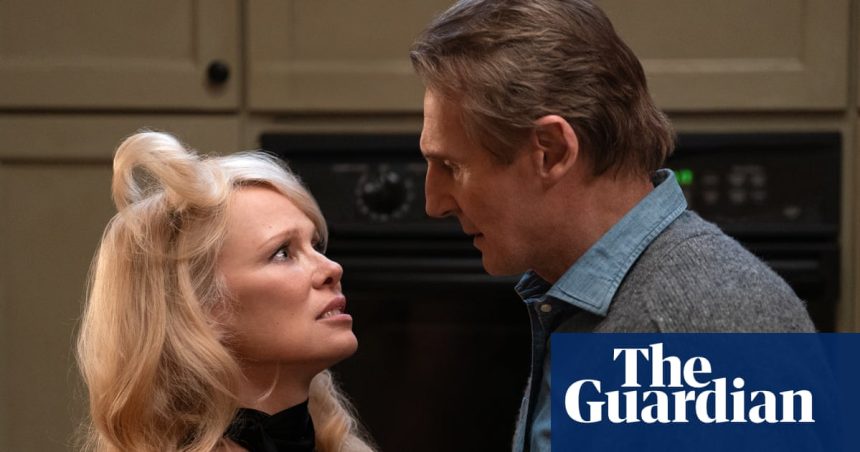
The upcoming release of *The Naked Gun*, a reboot of the beloved film series, marks a significant moment in the return of the comedy spoof genre. Unlike legacy sequels or typical action films featuring Liam Neeson, *The Naked Gun* signifies a revival of a comedic style known for both its greatest hits and its most unfortunate misses. This resurgence arrives in a time when no pure comedy has grossed over $100 million in the U.S. for nearly a decade. With a sequel to *This Is Spinal Tap* set to release next month, alongside upcoming sequels for *Scary Movie* and a potential fourth installment of *Austin Powers*, the genre appears primed for revival.
Leading this revival is *The Naked Gun*, which is also connected to iconic films such as *Airplane!*, a spoof of disaster movies created by comic filmmakers David Zucker, Jim Abrahams, and Jerry Zucker, collectively referred to as ZAZ. They did not invent the parody concept, but *Airplane!* elevated it with its unique deadpan delivery and an impressive rate of successful jokes, overshadowing the earlier works of Mel Brooks, a master of loving genre parody.
While Brooks often featured in his own films, ZAZ relied on the talent of Leslie Nielsen, whose deadpan performances became synonymous with their spoofs. After his memorable role in *Airplane!*, where he famously said, “I am serious … and stop calling me Shirley,” Nielsen starred in the unsuccessful but beloved series *Police Squad!*, which eventually evolved into the 1988 film *The Naked Gun*. Interestingly, unlike *Airplane!*, the original *Naked Gun* doesn’t target a specific genre for parody, opting instead to draw inspiration from *Police Squad!* while interspersing elements of neo-noir and various film references.
However, this lack of specific genre targeting likely contributed to *The Naked Gun*’s success, leading to two sequels and a wave of imitations. The spoof genre experienced a boom throughout the 1990s, peaking in 1993 with a slew of significant titles including *Loaded Weapon 1* and *Robin Hood: Men in Tights*. The Wayans brothers shifted the genre further with *Scary Movie*, effectively launching a new era of parodies.
Yet, the success of *Scary Movie* didn’t translate easily to subsequent parodies produced by Jason Friedberg and Aaron Seltzer, who became synonymous with the definition of poor parody in the 2000s. Their films often lacked the sharp wit required to deliver effective spoofs, resembling misguided attempts at comedy that raised more groans than laughs. As audiences grew weary of their formulaic approaches, the box office decline of these spoofs was met with a sense of relief.
As these sensibilities migrated to platforms like YouTube and TikTok, it became clear that the art of parody may thrive better in shorter formats, contrasting with the traditional length of feature films. The new *Naked Gun* seems to acknowledge this shift, deliberately moving away from direct parodies toward a style that embraces absurdity, layering in sight gags and puns while maintaining homage to its predecessors.
Director Akiva Schaffer, known for his work with The Lonely Island, prioritizes comic cliches over keeping up with pop culture trends, which has historically rendered spoofs a fleeting genre. The film’s opening sequence hints at this shift, mimicking a bank robbery scene from *The Dark Knight* but avoiding direct imitation. Schaffer instead leans on the humor embedded in daily absurdities, aided by Neeson’s well-executed deadpan delivery.
As we anticipate the future of spoofs, several sequels are already lined up, indicating a potentially well-timed resurgence. However, the genre’s reliance on specific themes can be a double-edged sword. While tailored parodies can win audiences over, they can also risk falling flat if poorly executed. The new *Naked Gun*, by incorporating critiques of cultural dynamics while retaining the joy of absurd comedy, offers the chance for audiences to relish in a collective viewing experience.
In an era marked by fragmented entertainment experiences, *The Naked Gun* promises to revive the simple pleasure of sharing laughter with an audience in a theater setting. If this film becomes a box office hit, it may well signal a broader revival of the comedy genre, reminding us that even the most maligned subgenres can still bring joy and laughter back into the cinema.